
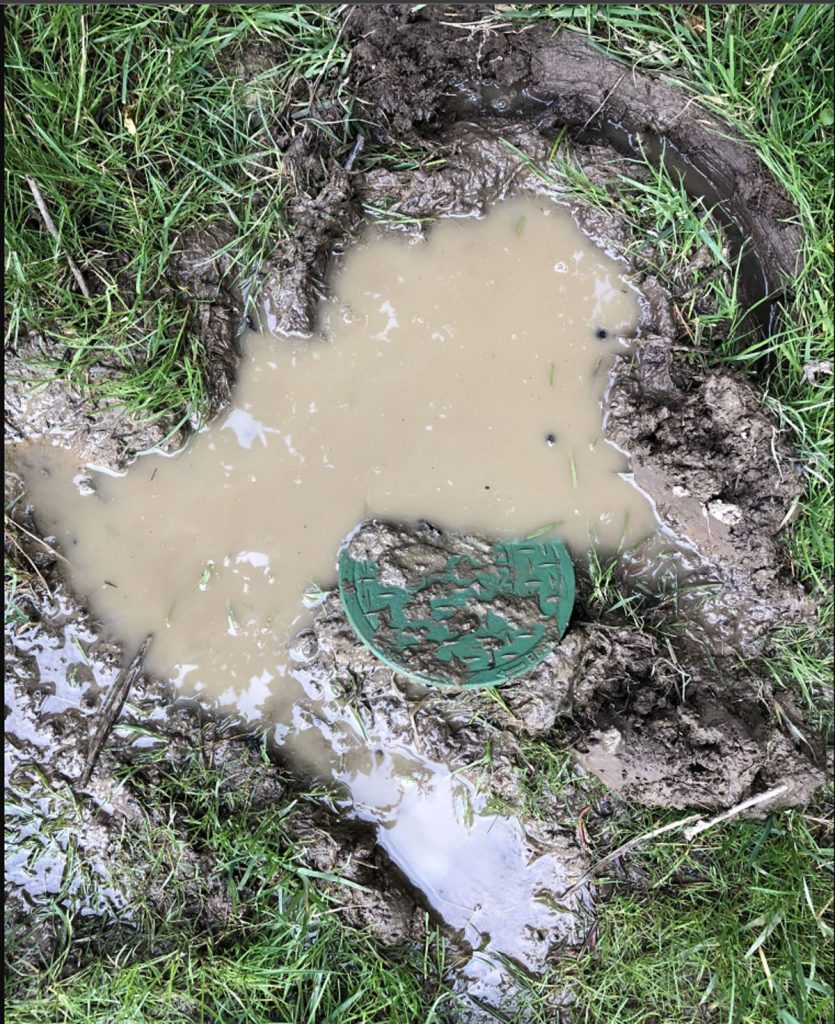
Underground irrigation leaks are not always obvious
A broken irrigation line can release a surprising amount of water without creating a dramatic geyser. In Grosse Pointe lawns, the first clue is often one unusually wet area or a zone that suddenly loses pressure.
Signs to watch for
Look for soggy soil after the system has been off, water bubbling near a head, erosion around a fitting, a head that suddenly tilts, or several sprinklers on one zone performing poorly. A valve that will not fully close can create similar symptoms.
Compare zones
Run each zone separately. If one zone is substantially weaker than the others, note where pressure begins to drop. That helps narrow the search and avoids unnecessary digging.
Do not ignore a persistent wet spot
Besides wasting water, a leak can wash soil away from sidewalks, foundations and landscaping. See our irrigation pipe and leak repair service for professional diagnosis.
Authoritative resource
EPA WaterSense recommends regular irrigation inspections for leaks and other water-wasting problems. EPA WaterSense
How to narrow down the leak location
Run only the suspected zone and walk it from the valve area toward the final sprinkler. Watch for water surfacing several feet away from a head, soil that moves underfoot, or an area that becomes saturated faster than the rest of the lawn. Water can travel through disturbed soil, so the wettest spot is not always directly above the break.
Leak or drainage?
Water that appears briefly from the lowest sprinkler after a zone shuts off may be normal low-head drainage. Water that continues for a long period, appears while the zone is running, or is accompanied by reduced pressure deserves closer inspection.
Related guides
See sprinkler pipe problems under sidewalks and how tree roots can affect irrigation lines.
For professional locating and repair, visit irrigation leak and pipe repair.