
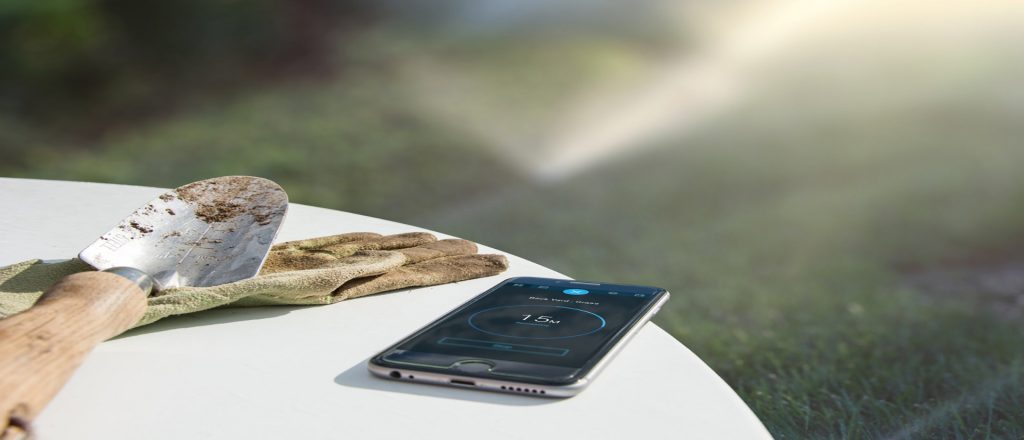
A rain sensor that does not stop watering can waste water after a storm, but the sensor itself is not always the problem. Controller settings, placement, wiring and wireless communication can all create the same symptom.
Check sensor bypass first
Many controllers have a physical or software bypass setting. If bypass is enabled, a perfectly good sensor may be ignored and the normal watering schedule will continue.
Look at sensor placement
The sensor needs exposure to rainfall. A roof overhang, mature tree canopy, new patio cover or gutter can keep it much drier than the lawn below.
Wired versus wireless sensors
Wired sensors can develop corroded connections or damaged cable. Wireless models depend on battery condition and reliable communication with the controller.
Test the controller response
Many systems allow the sensor circuit to be tested without waiting for a storm. If the controller recognizes the sensor state but watering still occurs unexpectedly, review program start times and weather-delay settings.
Sensor age matters
Mechanical moisture elements and batteries do not last forever. An older sensor that has passed its basic wiring checks may simply need replacement.
Related guides
See smart sprinkler controllers, sprinkler wire problems, and our controller troubleshooting service.
Manufacturer resource
Rain Bird explains how rain sensors interact with Wi-Fi controllers and bypass settings. Rain Bird rain-sensor guidance